
Why You Should Pay Attention to Your Glucose After Eating
It’s normal for blood glucose (also known as blood sugar) to rise and fall throughout the day.
If you notice a high reading from finger stick tests or a continuous glucose monitor (CGM), you’ll want to try to figure out what caused it.
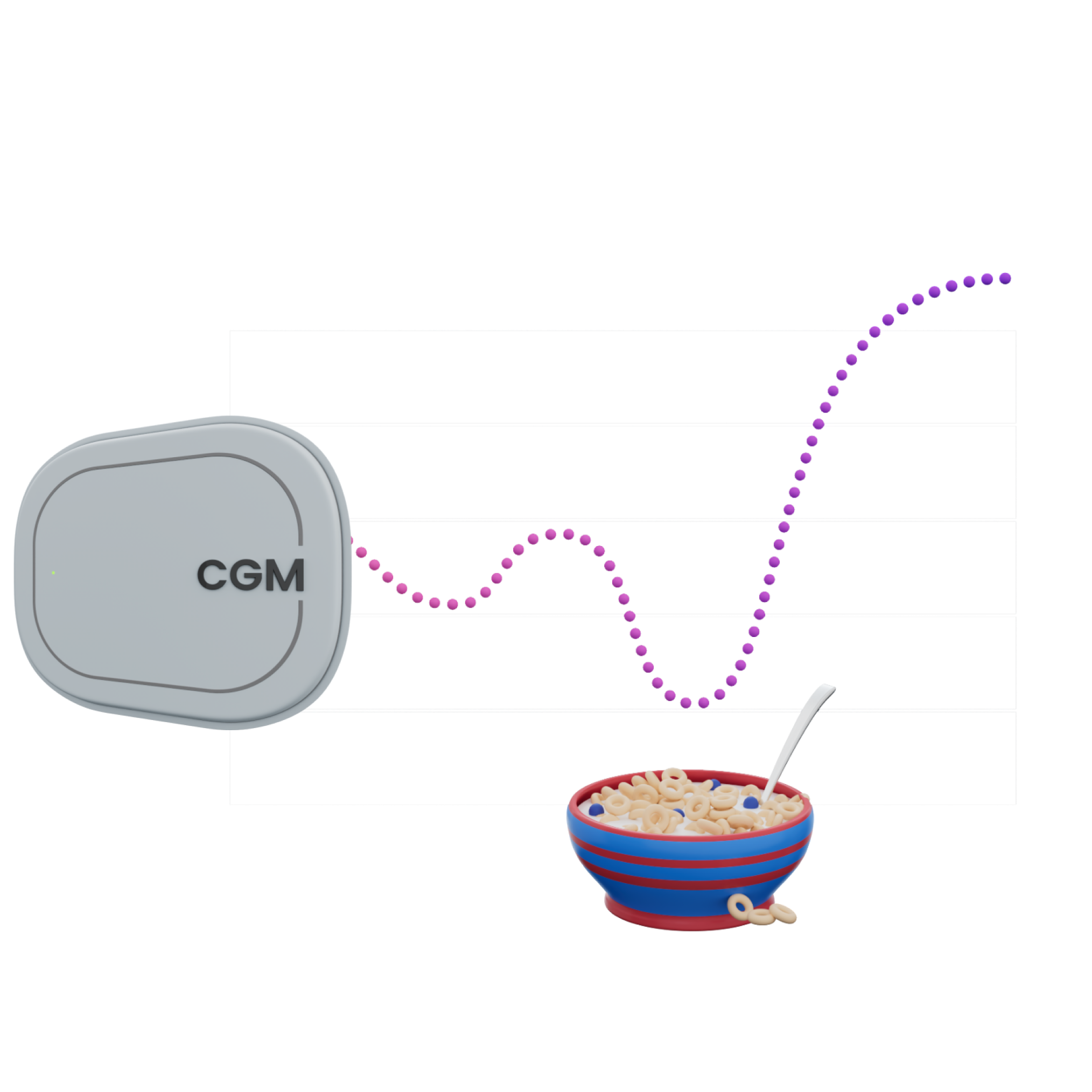
How Carbohydrates Raise Glucose
Carbs are long chains of mostly glucose, so when eaten, they raise blood glucose more than other nutrients. In addition, refined carbs (such as white bread, cake, breakfast cereal and rice) are absorbed more quickly, leading to elevated glucose.
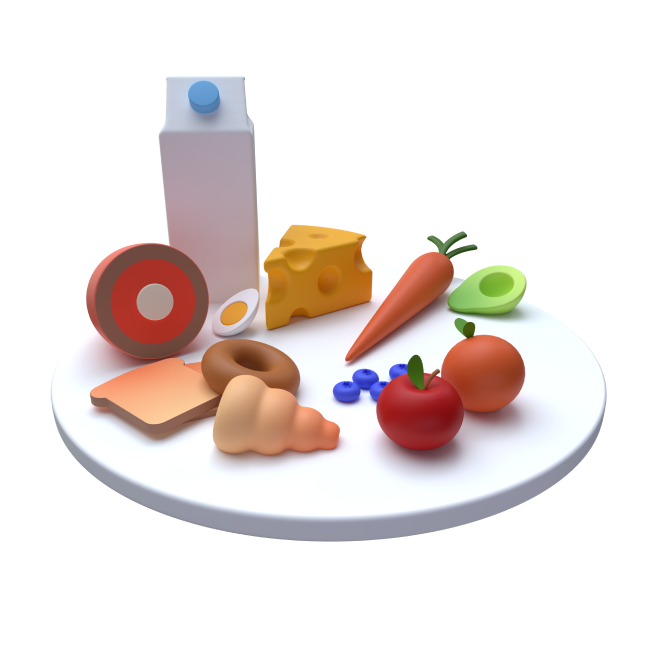
Different foods raise glucose by different degrees. Foods that are mostly composed of proteins and fats (like meat, fish and eggs) generally do not raise it at all.
You might be
surprised these
can also cause
glucose to rise:

STRESS
Physical and emotional stress increase certain hormones (like cortisol) that cause your blood sugar to rise.
SLEEP
Sleeping fewer than six hours or more than eight hours a night, or an irregular sleep schedule, can elevate blood sugar.
SICKNESS
When you are sick and you have type 2, your body responds by releasing extra glucose into the blood.
What can I do?
- Use a food journal and a continuous glucose monitor (CGM at no-cost when you join Level2) to find a link between your foods / stress / medications / activities and your glucose.
- Change your food order and eat the protein and non-starchy vegetables on your plate before the carbs.
- Go for a 20-minute walk after your next meal.
- Join Level2 Specialty Care where the team can help you identify what might be causing your spikes and learn strategies to reduce them.

Improvement is possible

Level2 can help you work to improve
INSIGHTS
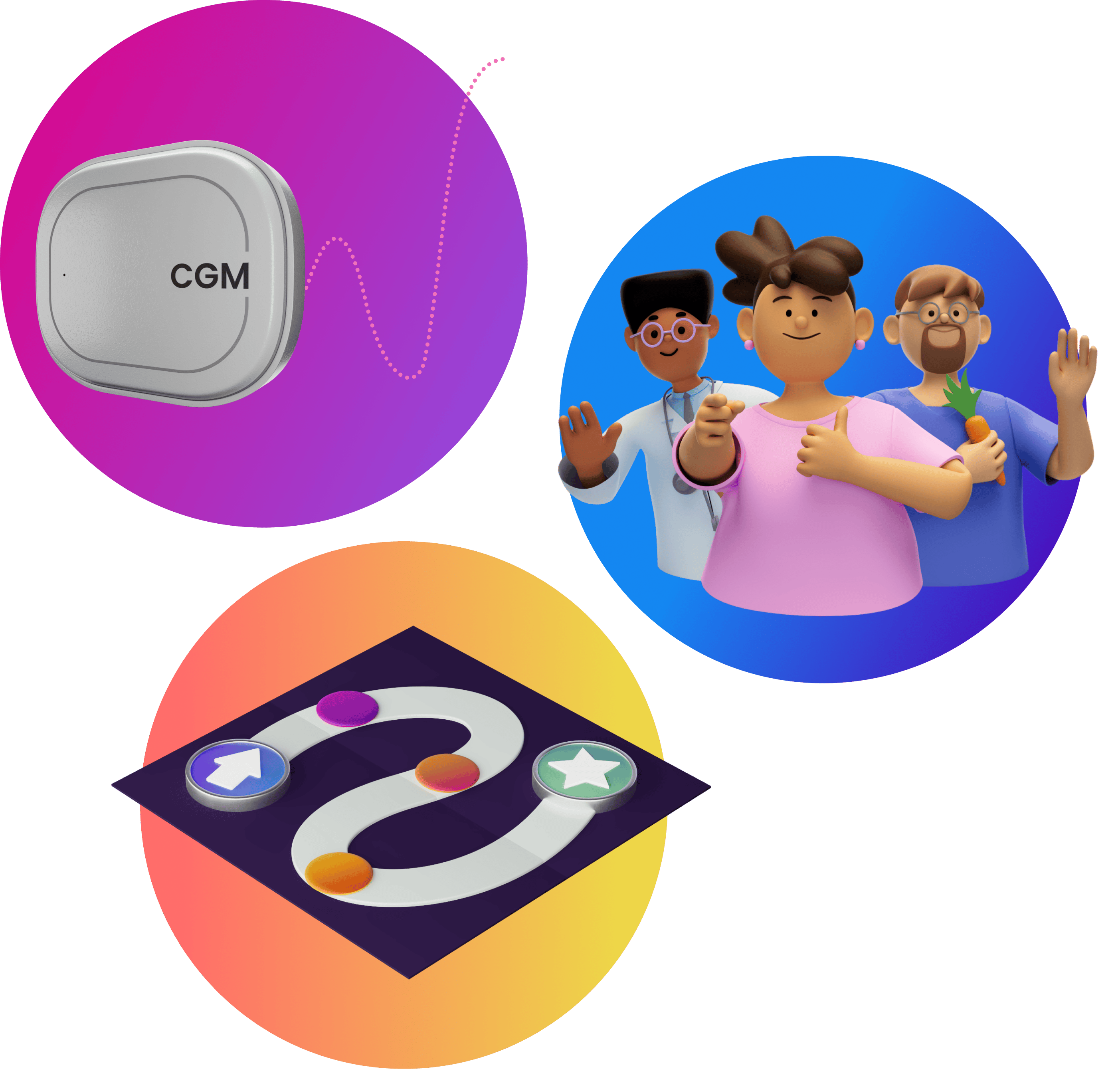
Start with a no-cost continuous glucose monitor to see what works for you in real time — without finger sticks every day.
CARE TEAM
Made up of providers, coaches, dietitians and other experts to guide you through Level2.
LEVEL2 METHOD
A defined process to understand and improve glucose control in a series of phases.


©2026 United HealthCare Services, Inc. All rights reserved.